Beyond the Frame
Eric Hause
Aug 28, 2026
The 4th Annual Virginia Queer Film Festival Marks Several Milestones in its Evolution By Eric Hause, Festival director and President.
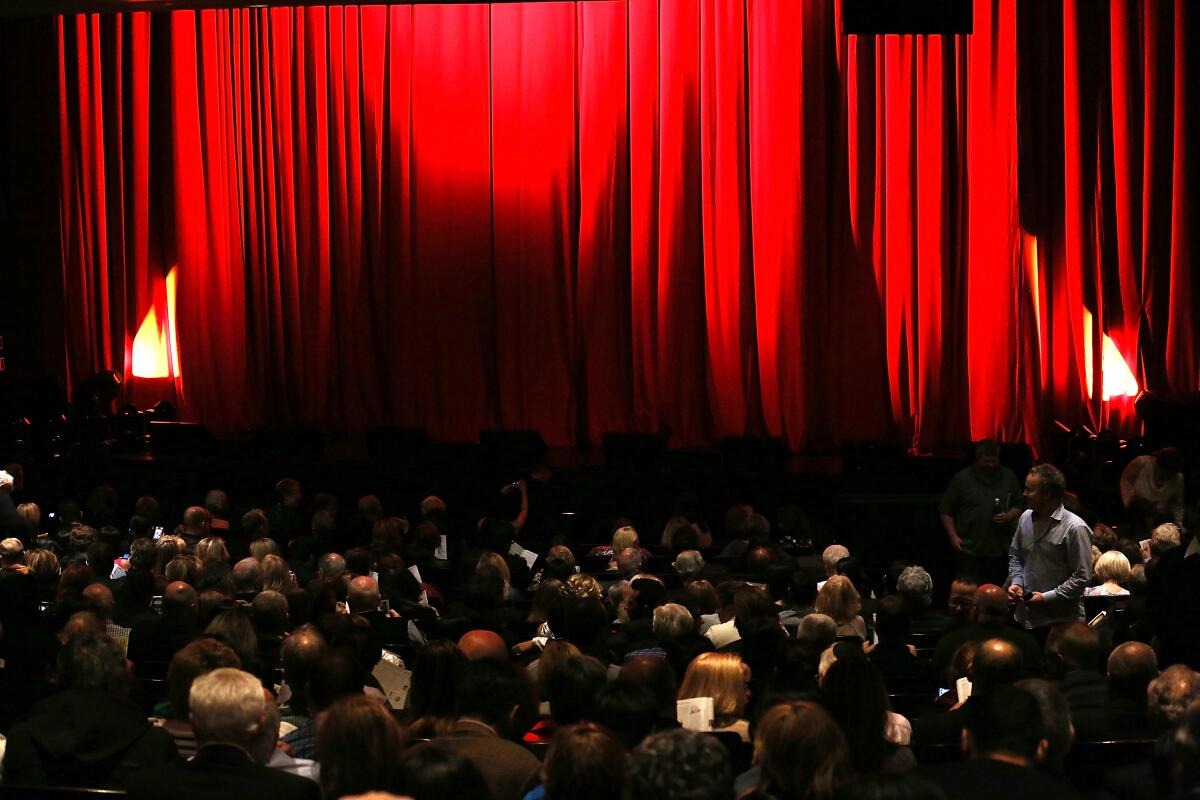
Cinema has long possessed a rare capacity to function simultaneously as a mirror and a window. As a mirror, film reflects the nuanced, lived realities of those who rarely see themselves accurately portrayed in mainstream culture; as a window, it invites audiences to look beyond their immediate horizons, fostering empathy across divides of geography, culture, and identity. Within the landscape of modern independent cinema, queer film festivals serve as vital spaces where this dual power is cultivated and celebrated. As the Virginia Queer Film Festival produces their fourth season October 2-4, 2026, it stands at a pivotal juncture in its history.
What began as a targeted effort to amplify LGBTQ+ narratives within Virginia, and the broader American South has evolved into an event with far-reaching international significance. Amassing a record-breaking 101 film submissions spanning 16 countries, the 2026 festival demonstrates that the struggle for visibility, connection, and creative expression through queer storytelling is a profoundly global endeavor.
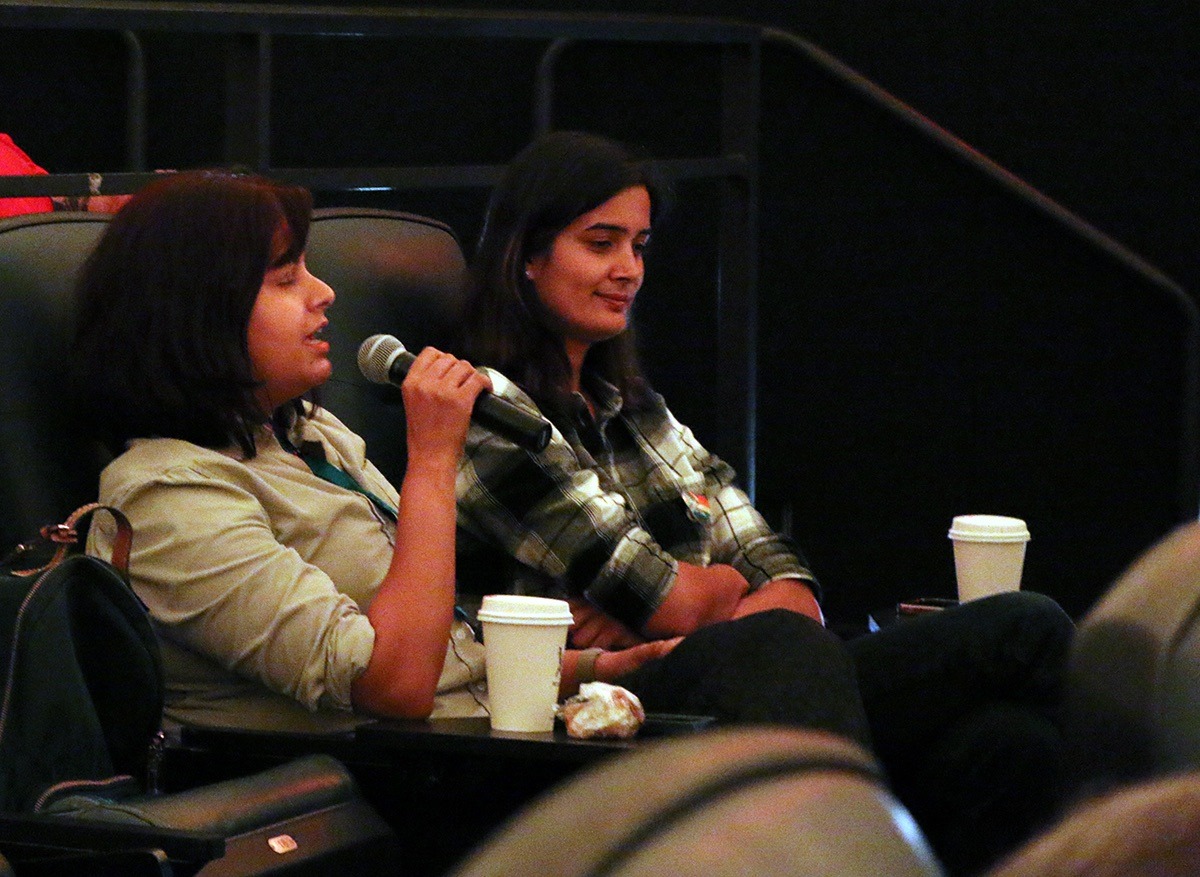
The rapid growth of the Virginia Queer Film Festival over just four seasons speaks to a deep, underlying need within both the artistic community and the public sphere. Historically, queer cinema in the American South operated under conditions of marginalization, constrained by sparse funding, limited venue access, and persistent social resistance. In establishing a dedicated cinematic space at Old Dominion University, the Festival created an institutional anchor for stories that had too often been sidelined. This year, the arrival of its fourth annual iteration marks not merely longevity, but a profound transformation in scale. The record number of submissions from around the world signals that the festival is no longer just a regional showcase; it has become a recognized destination on the international festival circuit.
This global expansion enriches the festival’s core mandate. When a short narrative from a rural Southern town screens alongside a documentary short from South America, Europe, or East Asia, the programming reveals the interconnected nature of the global queer experience. While political legalities, cultural norms, and daily realities vary drastically across borders, the underlying human search for safety, belonging, self-determination, and love remains universal. The inclusion of foreign perspectives offers local audiences a broader view of global LGBTQ+ life, challenging parochial assumptions and highlighting how filmmakers worldwide navigate similar struggles against erasure and prejudice. Conversely, providing international directors a platform in Virginia asserts that Southern venues are active, dynamic contributors to global arts and advocacy.
The significance of this expanding footprint lies in the core purpose of queer filmmaking itself: serving as an irreplaceable avenue to visibility. Historically, mainstream media has either ignored LGBTQ+ lives entirely or reduced them to flattened stereotypes, tragic tropes, and villainized caricatures. For decades, the absence of authentic queer representation functioned as a form of symbolic annihilation, signaling to generations of queer individuals that their stories were unworthy of being told and their existence was best kept hidden.
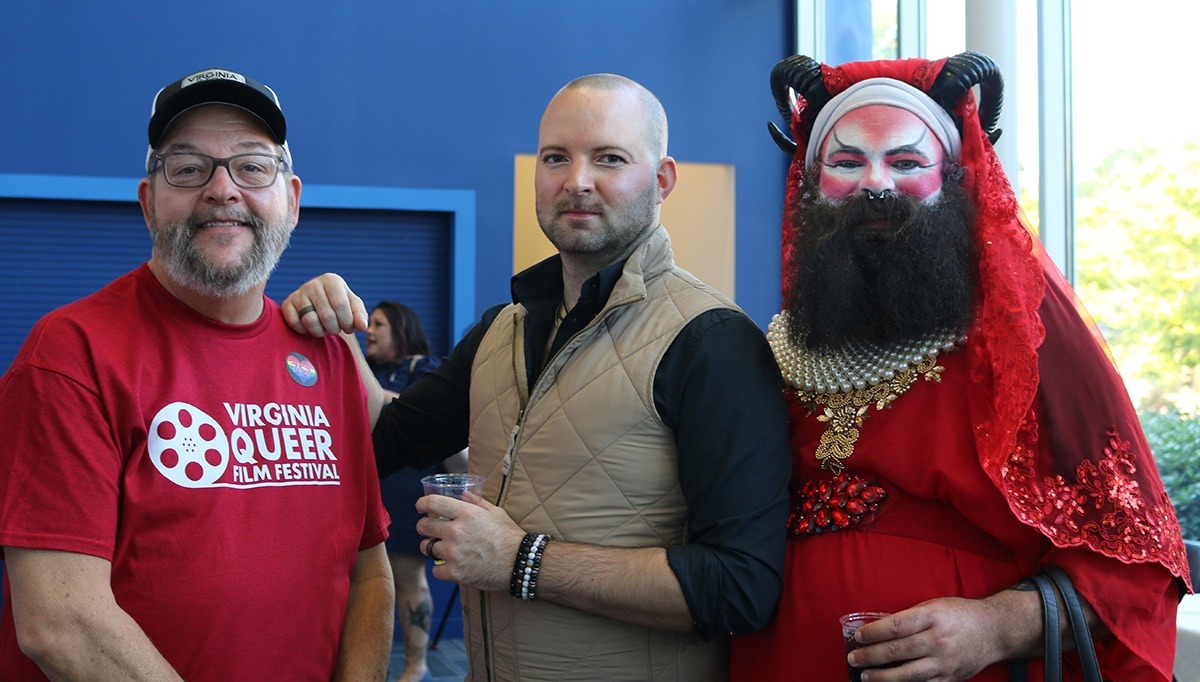
Queer filmmaking disrupts this dynamic by returning narrative agency to the community. When LGBTQ+ directors, writers, and artists control the camera, the resulting stories capture the full complexity of human existence. Queer cinema captures joy alongside sorrow, ordinary domesticity alongside radical activism, and historical memory alongside imagined futures. This visibility is transformative on multiple fronts:
For LGBTQ+ viewers, seeing authentic representations of their identities, relationships, and struggles on the big screen offers profound validation, alleviating isolation and affirming their worth. For non-queer audiences, thoughtful queer storytelling breaks down abstract prejudices, replacing fear and misunderstanding with human connection. Cinema acts as a living archive, documenting the socio-political realities, subcultures, and artistic expressions of queer communities for future generations.
In the current social landscape, the visibility provided by grassroots cultural institutions like the Virginia Queer Film Festival carries heightened urgency. The American South, along with many international regions, remains a key battleground in ongoing debates over LGBTQ+ civil rights, educational content, and bodily autonomy. In environments where political discourse often seeks to diminish queer presence in public life, the simple act of gathering in a theater to watch queer stories becomes a meaningful act of community resilience. The cinema becomes a sanctuary of shared experience—a space where audiences are invited to reflect, engage in dialogue, and draw collective strength from the narratives displayed on screen.
Furthermore, the expansion of the festival’s scope to encompass submissions from countries around the globe reinforces the democratic ethos of independent film. Modern digital filmmaking technology has lowered barriers to entry, allowing emerging artists from diverse socio-economic and geographic backgrounds to share their perspectives without relying on major studio backing. By accepting short films, feature documentaries, narratives, and, in a Film Festival first, innovative audio storytelling through Queer Ear, our inaugural audio storytelling program, the festival ensures that diverse artistic voices regardless of budget can find an audience. This openness fosters a rich ecosystem where established directors share space with first-time storytellers, nurturing the next generation of creative talent.
As the Virginia Queer Film Festival looks beyond its fourth season, its trajectory illustrates the profound impact a regional arts organization can achieve when guided by a clear mission. By offering an inclusive, rigorous platform for international talent while maintaining its roots in the local community, the festival proves that regional hubs can serve as vital nodes in a global movement for artistic expression and human rights. The 101 films submitted in 2026 represent more than just hours of footage; they represent 101 acts of courage, creativity, and commitment to being seen.
In an increasingly interconnected yet fragmented world, the power of cinema to bridge divides remains unmatched. Through its growth, international reach, and unwavering dedication to visibility, the Virginia Queer Film Festival demonstrates that when we illuminate queer lives on screen, we do not merely entertain—we expand empathy, preserve vital history, and help build a world where everyone's story has a place to be told.
WANT TO GO?
4th Annual Virginia Queer Film Festival
October 2-4 at University Theatre
Old Dominion University
Tickets on sale September 8 at VAQFF.org and available at the door.